
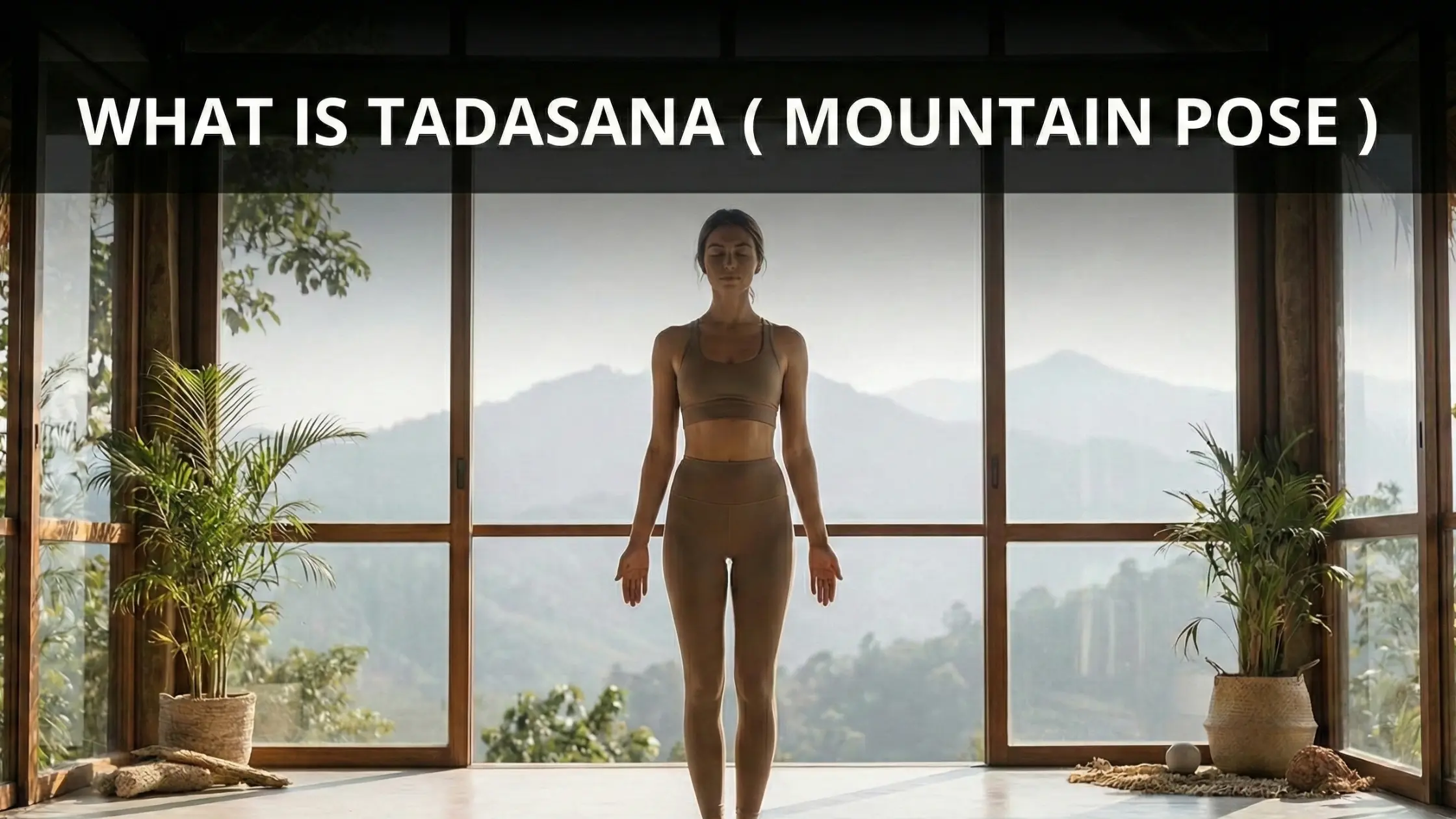
Mountain Pose, or Tadasana, is one of the most important and basic yoga poses. Even though it looks very simple, it is the foundation for many other yoga poses. Practicing it helps you stand tall, improve your posture, and feel strong and balanced.
In this blog, you will learn everything about Tadasana (Mountain Pose). We will explain how to do it step by step, including the correct alignment of your feet, legs, hips, spine, arms, and head. You will also learn about the benefits of this pose, how it strengthens your muscles, improves focus, and even helps with relaxation.
We will also cover who should be careful while doing this pose, easy variations and modifications for beginners or people with balance or joint issues, and other yoga poses that can prepare you for or follow Mountain Pose. You will even discover the history, symbolism, and deeper meaning of this pose.
By the end of this blog, you will understand Mountain Pose completely. You will know how to practice it safely, use it as a base for other poses, and enjoy its benefits for your body, mind, and overall well-being.
Table of Contents
What is Tadasana? Meaning and Origins
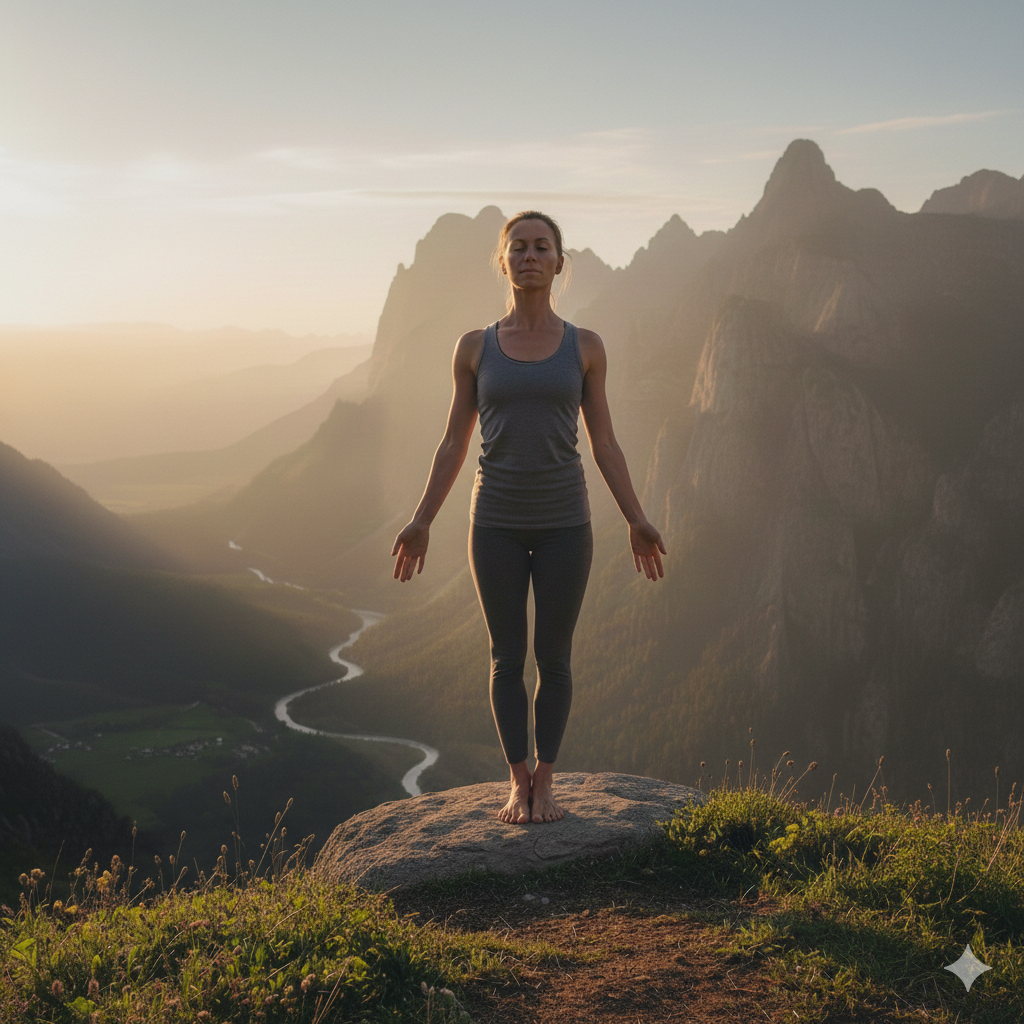
Tadasana, or Mountain Pose, comes from the Sanskrit words ‘Tada,’ meaning ‘mountain,’ and ‘Asana,’ meaning ‘posture’ or ‘pose.’ The name reflects the essence of the pose: standing strong, steady, and grounded like a mountain.
This pose is not just about standing tall. It represents stability, balance, and presence. When you practice Tadasana, you connect with your body, feel rooted to the ground, and at the same time, lengthen and lift your spine. It is a reminder of inner strength and calmness, helping you stay centered in both body and mind.
In some yoga traditions, Tadasana is also called Samasthiti, which means “standing in equal balance.” Both names highlight the same idea: being fully aware, aligned, and steady while standing still.
Why Mountain Pose Matters in Yoga Practice
Mountain Pose is more than just standing still. It plays an important role in yoga as a base and transition pose. Many standing poses start or end with Tadasana because it helps you reset your body, find balance, and prepare for the next posture.
Practicing Mountain Pose also improves your alignment and posture. When you stand correctly, stacking your shoulders, hips, knees, and ankles, you develop better body awareness. This awareness carries over into other poses, making them safer and more effective.
Tadasana is also a key part of sun salutations and most standing sequences. It helps you focus on your breath and stay grounded, allowing energy to flow smoothly from the feet through the body. By mastering Mountain Pose, you create a strong foundation for all yoga practice.
Benefits of Mountain Pose (Tadasana)
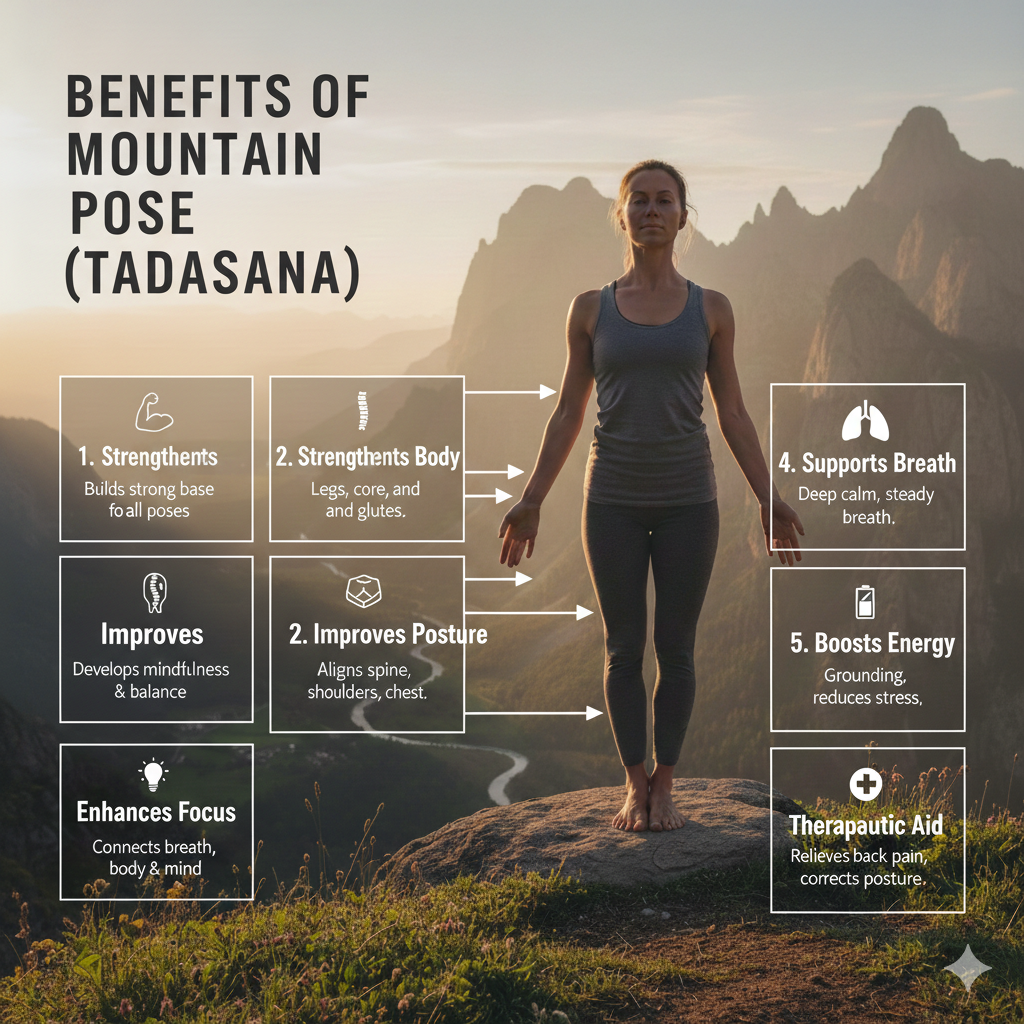
Mountain Pose is more than just standing upright. It strengthens the body, improves posture, and brings mental clarity. Practicing it regularly can create a strong foundation for all other yoga poses. Here are the main benefits explained clearly:
1. Strengthens and Tones the Body
- Legs and Feet: Engages and strengthens calves, thighs, knees, and ankles.
- Core: Activates abdominal muscles, improving stability and balance.
- Glutes and Hips: Helps tone the lower body gently.
This strengthening makes other standing poses easier and safer.
2. Improves Posture and Alignment
- Teaches you to stand tall with a straight spine.
- Aligns shoulders, chest, and head naturally.
- Helps correct slouching or uneven weight distribution in daily life.
3. Enhances Focus and Awareness
- By standing still and paying attention to your body, you develop mindfulness.
- Helps you notice subtle changes in balance, alignment, and breathing.
- Improves concentration, which is beneficial on and off the mat.
4. Supports Breath Awareness
- Opens the chest and aligns the diaphragm for natural, deep breathing.
- Encourages a calm, steady breath, which helps reduce stress.
5. Boosts Energy and Reduces Stress
- Standing firmly gives a sense of grounding and stability.
- Improves circulation and body awareness, making you feel more energized.
- Mentally, it promotes confidence and calmness.
6. Therapeutic Benefits
- Helps with spinal alignment, which can relieve minor back pain.
- Can aid in posture correction for students or office workers.
- Suitable for beginners, seniors, and pregnant women (with variations).
How to Do Mountain Pose (Step by Step)
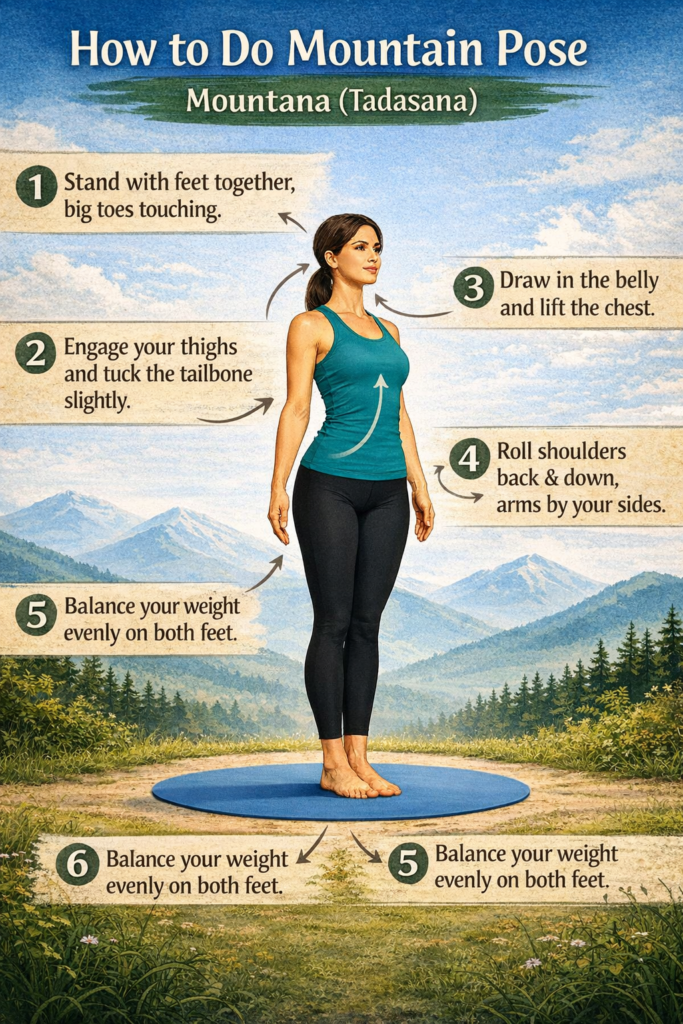
Mountain Pose may look simple, but performing it correctly helps you build balance, posture, and body awareness. Follow these steps carefully:
1. Start with Your Feet
- Stand with your feet together or hip-width apart if more comfortable.
- Press down evenly through all four corners of your feet (heel and all sides of the toes).
- Lift your kneecaps slightly and engage your thigh muscles.
2. Align Your Legs and Hips
- Keep your knees straight but not locked.
- Make sure your hips are square and balanced over your feet.
- Engage your core muscles slightly to support your lower back.
3. Position Your Spine and Chest
- Lengthen your spine upward from the pelvis to the crown of your head.
- Open your chest slightly, keeping the shoulders relaxed.
- Keep your chin level, aligned with your neck and chest.
4. Relax Your Shoulders and Arms
- Let your arms hang naturally at your sides.
- Keep your palms facing inward or slightly forward.
- Relax your shoulders away from your ears.
5. Focus Your Gaze and Breathe
- Look straight ahead with a soft gaze, or close your eyes if you feel steady.
- Take slow, natural breaths, feeling the body rise and lengthen with each inhale.
6. Hold and Observe
- Stay in the pose for as long as comfortable, noticing your posture, balance, and breath.
- Adjust slightly if you feel tension, ensuring even weight distribution and spinal alignment.
Tips for Beginners
- Use a wall if balancing is difficult.
- Place a block or folded mat under your heels for extra support.
- Spread your feet slightly wider if standing with feet together is uncomfortable.
Mountain Pose Variations
Although Mountain Pose may seem simple, there are several variations that make it easier for beginners, provide extra support, or deepen your practice. These variations help you stay balanced, aligned, and comfortable while reaping the benefits of the pose.
1. Mountain Pose with Feet Hip-Width Apart
- Instead of keeping your feet together, place them hip-width apart.
- This provides a wider, more stable base, making it easier to balance, especially for beginners, seniors, or anyone with back discomfort.
2. Mountain Pose Against a Wall
- Stand with your heels, back, and shoulder blades against a wall.
- This helps you align the spine correctly and feel the proper posture.
- It is a great option for beginners or those recovering from injuries.
3. Seated Mountain Pose (Chair Variation)
- Sit comfortably in a chair with your feet directly under your knees.
- Lengthen your spine upward, keeping your chest open and shoulders relaxed.
- Place a pillow behind your back or blocks under your feet if needed for support.
- This variation is suitable for seniors, pregnant women, or people with lower body limitations.
4. Mountain Pose with Hands in Prayer (Pranamasana)
- Bring your palms together at the chest, fingers pointing upward.
- This variation adds a sense of focus and grounding and is often used at the start or end of a yoga practice.
5. Standing Reverse Prayer Pose (Paschima Namaskarasana)
- Bring your hands behind your back and join the palms in a reverse prayer position.
- Opens the chest and shoulders and improves upper body flexibility.
6. Extended Mountain Pose (Urdhva Hastasana / Volcano Pose)
- Raise your arms straight overhead, palms facing each other or together.
- Lengthens the spine further and encourages a sense of energy and expansion in the body.
Contraindications and Precautions for Mountain Pose
While Mountain Pose is gentle and safe for most people, certain conditions require extra care or modifications. Practicing without attention to these can cause discomfort or worsen existing issues.
1. Injuries and Surgeries
- People with knee, ankle, hip, or spinal injuries should avoid regular Tadasana until fully healed.
- Those who have recently undergone surgery in these areas should practice only under guidance or use supportive variations like wall or chair Tadasana.
2. Balance and Strength Limitations
- Beginners or those with weak legs, knees, or ankles may find it hard to stand steadily with feet together.
- Modifications such as standing with feet hip-width apart, using a wall for support, or placing a block between the back and wall can help.
3. Other Health Conditions
- People with vertigo, migraines, or high or low blood pressure may feel dizzy or unstable.
- Pregnant women and senior citizens may also need wider stances or support to stay balanced.
4. Tips to Practice Safely
- Focus on even weight distribution between heels and toes.
- Keep knees soft, not locked, to reduce strain.
- Use props like walls, blocks, or folded mats if needed.
- Always listen to your body. If you feel pain or discomfort, stop and adjust.
Conclusion: What is Tadasana (Mountain Pose)?
Mountain Pose, or Tadasana, may look simple, but it is a powerful foundation for all yoga practice. It helps you build strength, improve posture, and stay aware of your body and breath. With regular practice, it brings balance, steadiness, and mental focus.
By understanding the meaning, learning the proper alignment, exploring variations, and following precautions, anyone can safely practice Mountain Pose and enjoy its benefits. It is not just a physical exercise but a way to connect with yourself, feel grounded, and prepare for deeper yoga poses.
Practicing Tadasana regularly helps you stand tall, both on your mat and in your daily life, with confidence and calmness.
If you’re looking for a welcoming space to deepen your practice with guidance and care, we invite you to visit Yoga Shala Wellness.